

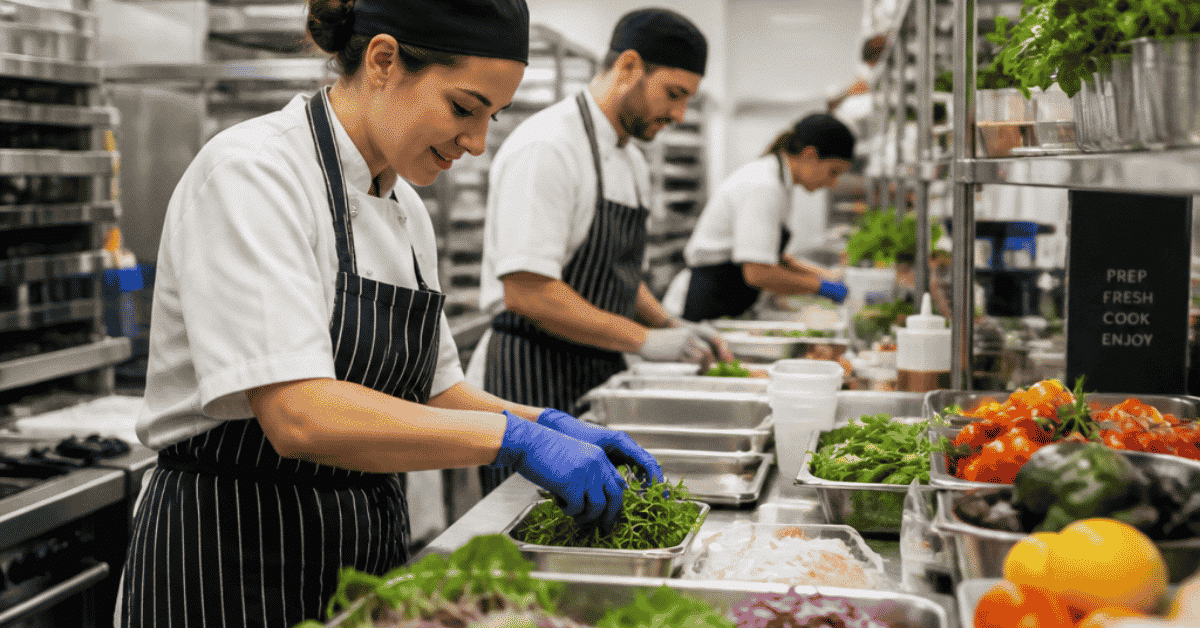
The success of any large-scale catering food suppliers in South Africa depends entirely on the precision of their supply chain. Unlike standard restaurant kitchens, catering environments must accommodate massive volume fluctuations, strict serving timelines, and high-stakes client expectations. A partner specialising in catering food suppliers provides the operational backbone necessary to meet these challenges without sacrificing quality. For businesses operating in competitive regional markets like the Western Cape, choosing a dedicated distributor is a critical commercial decision that dictates profitability and reputation.
Ensuring Premium Standards via Cold Chain Security
A foundational assertion for any food service operator is that ingredient integrity cannot be compromised during transit. Perishable items require an unbroken temperature controlled environment to remain safe and fresh. Specialised food suppliers invest heavily in advanced transport infrastructure, utilising multi-temperature vehicles that allow chilled dairy products like Mooivallei cheese to travel alongside frozen proteins in a single delivery run.
The evidence supporting this need is found in the rigorous health regulations and food safety standards applied across the South African hospitality market. When a distributor maintains meticulous control over the thermal environment, the justification is seen in the extended shelf life and reduced spoilage rates experienced by the caterer. For a business executing a major event, receiving stock that has deviated even slightly from its required temperature can result in massive financial loss and immediate brand damage. Reliable thermal management ensures that premium raw materials arrive at the kitchen door exactly as the producer intended, protecting both the client and the consumer.
The Administrative Efficiency of Centralised Procurement
Operational efficiency is significantly enhanced when procurement is consolidated. The assertion here is that relying on a single, comprehensive distributor is far more cost-effective than managing a fragmented network of individual producers. The administrative burden of processing dozens of separate invoices, managing multiple delivery windows, and negotiating varied terms introduces hidden costs that quickly erode catering margins.
A dedicated distributor acts as a centralised source, offering a diverse product portfolio that spans local staples and premium imported lines. Caterers gain direct access to essential local brands alongside top-tier international products such as Mutti tomatoes or Divella pasta. The justification for this consolidated model is the dramatic reduction in logistical complexity. Instead of dedicating valuable labour hours to coordinating multiple vendor arrivals, a procurement manager deals with a single point of contact and a single delivery window. In urban hubs like Cape Town, where event venues often have restricted loading times, a single, predictable delivery is a major operational advantage.
Mitigating Market Volatility and Supply Interruptions
The South African food supply chain is inherently subject to external pressures, ranging from fluctuating fuel costs to localised livestock challenges. The assertion is that a robust food distributor provides a critical buffer against these macroeconomic uncertainties. Individual catering operations lack the purchasing leverage to insulate themselves from sudden price spikes or stock shortages.
The evidence of a distributor’s value is demonstrated through bulk purchasing power and long-term relationships with primary producers. When supply lines tighten, established distributors receive priority allocations, allowing them to maintain consistent stock levels for their clients. The justification for trusting a distributor during market disruptions is risk mitigation. The supplier takes on the responsibility of forecasting demand and holding inventory, ensuring that the caterer can honour long-term event contracts with stable pricing and reliable access to essential ingredients. This stability is vital for maintaining customer trust in a market where consistency is a primary competitive advantage.
Elevating Culinary Offerings Through Global Sourcing
Access to specialised, high-quality ingredients directly influences a catering firm’s competitive edge. The assertion is that the ability to offer authentic, premium menu options allows a business to command higher per-head rates. By partnering with suppliers who secure exclusive importation rights for global culinary brands, local chefs can confidently design sophisticated menus that stand out in a crowded marketplace.
The justification for prioritising high-quality sourcing is rooted in the evolving expectations of South African diners. Modern corporate and private clients are highly informed and demand authenticity in every dish. When a catering company uses genuine imported Italian flour for specialised baking or premium local cheeses for gourmet functions, the difference in texture and flavour is instantly recognisable. A supplier that consistently delivers these specialised products enables caterers to meet high consumer expectations, fostering long-term loyalty and securing premium contract renewals.
In conclusion, the decision to align with a professional catering food supplier is a commitment to operational excellence. It provides the technical infrastructure required for food safety, the logistical scale for cost control, and the product variety needed for culinary innovation. For any South African catering business aiming to thrive, a dedicated distribution partner is not simply an external vendor, but the very foundation of sustainable growth.