

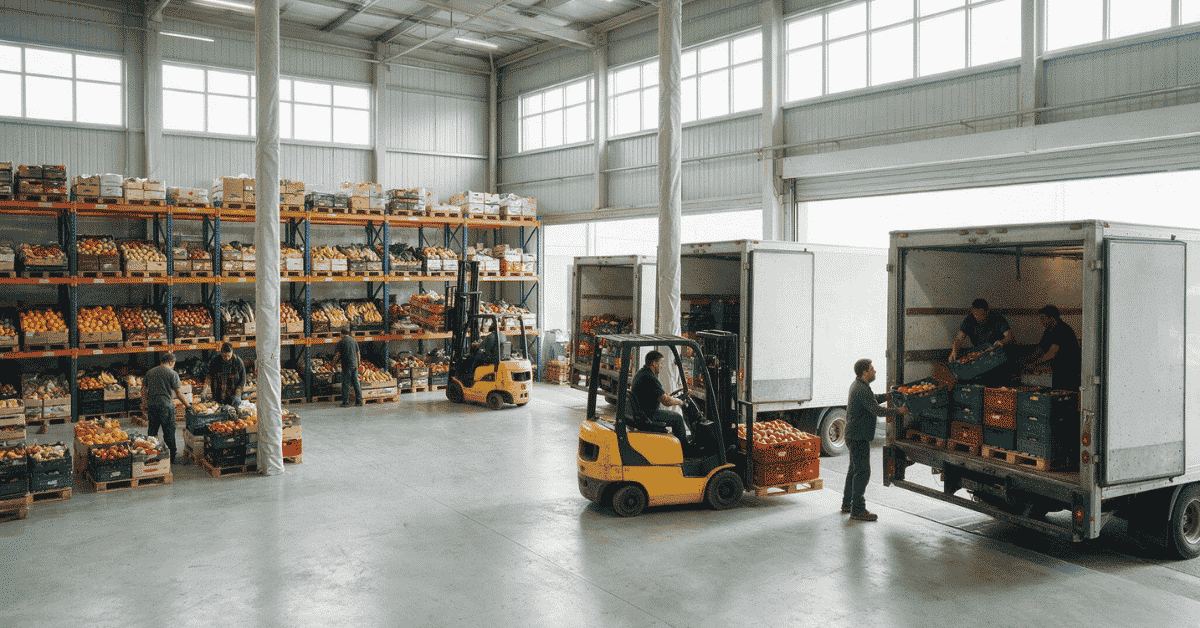
The operational success of any commercial culinary enterprise relies heavily on the structural strength of its supply chain. In an economic landscape shaped by fluctuating input costs and complex consumer demands, food wholesale procurement serves as a core engine for business stability. For food service operators across the Western Cape, choosing a dedicated wholesale distribution partner moves beyond simple transactional buying. It is a strategic decision that directly affects working capital, menu quality, and operational continuity.
Ensuring Safety and Quality via Cold Chain Engineering
A foundational assertion in commercial food distribution is that ingredient integrity relies strictly on controlled thermal logistics. Perishable commodities, including fresh dairy, cultured cheeses, and frozen proteins, require uninterrupted temperature management from the processing facility to the kitchen door. Specialised wholesale distributors invest in multi-temperature transport fleets capable of housing chilled goods alongside frozen inventory within a single delivery unit.
The evidence for this necessity is visible in strict national food hygiene protocols and the environmental demands of South African transit routes. When a distributor maintains rigorous thermal standards, the justification is confirmed through extended stock shelf life and reduced inventory spoilage. For commercial kitchens managing high daily throughput, receiving stock that has experienced thermal fluctuations creates immediate financial loss and health compliance risks. Advanced cold chain engineering protects raw materials, ensuring that every shipment arrives in optimal condition for immediate culinary use.
The Financial Advantages of Consolidated Sourcing
Streamlining procurement channels provides one of the most effective methods for protecting operating margins in the food industry. The assertion here is that consolidating orders through a comprehensive food wholesale partner generates significant cost efficiencies compared to managing fragmented relationships with multiple individual producers. Processing dozens of independent supplier invoices creates heavy administrative friction, increases banking fees, and complicates loading bay schedules.
A dedicated distributor functions as a centralised supply hub, offering a broad catalogue that blends essential local staples with sought-after imported lines. Food service operators gain direct access to trusted local dairy alongside premium global brands such as Divella pasta, Mutti tomatoes, or specialty Bandini cheeses. The justification for a unified procurement strategy lies in the drastic reduction of operational overheads. Instead of coordinating multiple delivery schedules throughout the week, a procurement team works with a single reliable delivery window. In high-density commercial areas across Cape Town, where loading bay access is strictly timed, consolidated deliveries save critical labour hours and streamline inventory intake.
Safeguarding Operations Against Supply Chain Disruptions
The South African food market frequently experiences external supply pressures, including agricultural shifts, fuel adjustments, and currency fluctuations. The assertion is that an established food wholesale network acts as a crucial buffer against these unpredictable market movements. Independent businesses operating without wholesale backing rarely possess the purchasing leverage required to absorb cost surges or secure priority stock during localized shortages.
Evidence of a distributor’s strategic value is demonstrated through bulk purchasing power and established relationships with primary agricultural producers. When broader market disruptions strain supply lines, established wholesale distributors receive preferential stock allocations, keeping inventory moving predictably. The justification for relying on an established partner is long-term risk mitigation. The distributor manages warehousing buffers and stock forecasting, shielding food service managers from sudden price spikes and stockouts. This stability empowers procurement managers to lock in predictable pricing structures and maintain consistent menu offerings regardless of external market volatility.
Driving Menu Consistency and Brand Reputation
Delivering a superior dining experience requires consistent access to high-grade raw materials. The assertion is that uniform ingredient quality directly influences customer retention and brand equity. By partnering with wholesale suppliers who maintain exclusive distribution rights for benchmark food brands, commercial kitchens can ensure that every dish meets exact culinary standards.
The justification for prioritizing high-specification ingredients rests on changing consumer expectations across South Africa. Today’s diners demand authentic flavors, dietary transparency, and consistent presentation. Sourcing premium imported durum wheat pasta or quality local cheddar like Mooivallei ensures that texture and flavor remain identical across every service. A wholesale distributor that reliably supplies exact product specifications enables kitchen teams to minimize yield variation, eliminate kitchen waste, and build a dependable market reputation.
In summary, choosing a dedicated food wholesale partner like Foodgistics is a strategic step toward commercial resilience. It provides the technical infrastructure required for thermal compliance, the purchasing scale needed for margin protection, and the product breadth required for culinary consistency. For any food enterprise seeking to scale effectively in the South African market, a reliable wholesale distributor provides the structural foundation for sustainable growth.