

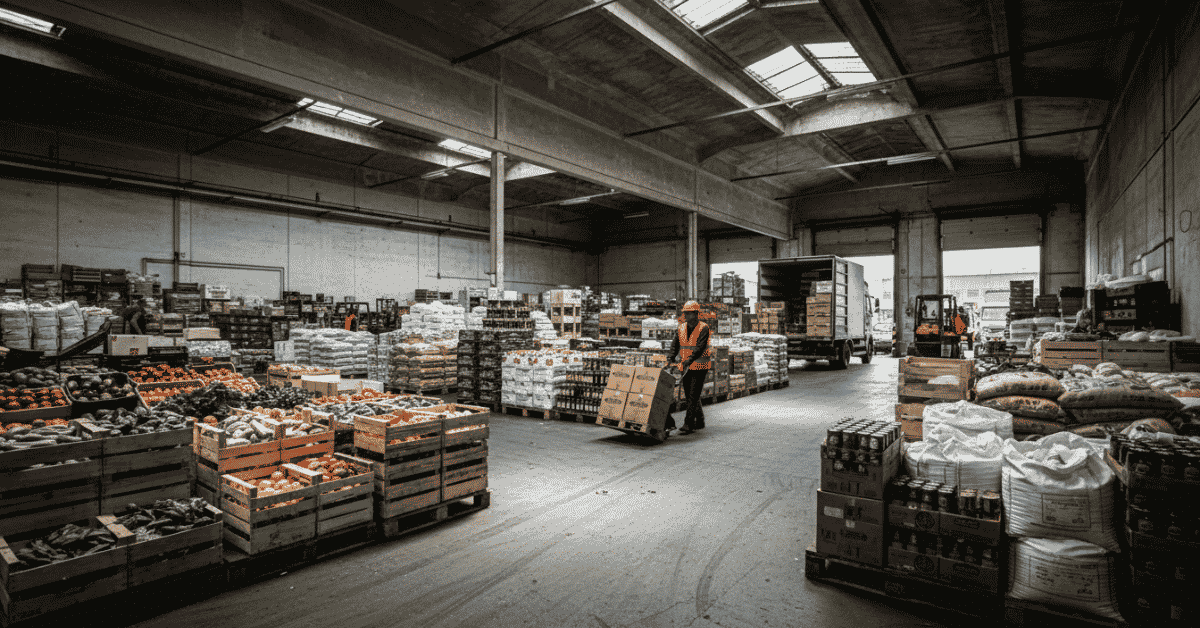
The commercial success of any dining venue in South Africa relies heavily on the resilience and efficiency of its supply chain. Restaurant kitchens operate under tight service windows, shifting patron demands, and strict profit margins. Selecting the right food suppliers for restaurants is a strategic decision that directly impacts kitchen workflow, dish uniformity, and bottom line profitability. In competitive culinary hubs across the Western Cape, a dependable distribution partner like Foodgistics provides the foundational support needed to maintain high dining standards consistently.
Ensuring Ingredient Quality via Advanced Cold Chain Logistics
A primary assertion for any food service establishment is that culinary quality relies strictly on unbroken thermal transit. High-value perishable inventory, including cultured dairy, specialty cheeses, and fresh proteins, requires constant temperature control from warehouse intake to the kitchen drop-off. Professional food suppliers invest heavily in multi-temperature delivery vehicles capable of housing chilled inventory alongside frozen stock within a single managed shipment.
The evidence supporting this operational requirement is clear in local food hygiene regulations and the environmental realities of regional delivery routes. When a distributor maintains strict cold chain parameters, the justification is seen in extended shelf life and reduced inventory spoilage for the kitchen. For a busy kitchen preparing for peak weekend service, receiving stock that has suffered thermal fluctuations creates immediate financial loss and health compliance risks. Temperature controlled transport protects raw materials throughout transit, ensuring that every delivery arrives ready for immediate culinary preparation.
The Financial Advantages of Consolidated Procurement
Streamlining procurement channels is one of the most effective methods for protecting operating margins in the dining sector. The assertion here is that consolidating raw material orders through a primary wholesale distributor generates significant cost savings compared to managing direct accounts with multiple independent producers. Handling dozens of separate vendor invoices introduces substantial administrative overhead, increases banking fees, and creates chaotic delivery bay traffic.
A dedicated distributor acts as a single sourcing hub, offering a diverse product range that combines local staples with premium imported lines. Kitchens gain direct access to trusted local items like Mooivallei dairy or Lynca Meats alongside specialty imported products such as Divella pasta, Mutti tomatoes, or Bandini cheeses through established distributors like Foodgistics. The justification for a consolidated sourcing model lies in the drastic reduction of administrative and physical friction. Instead of coordinating multiple delivery windows throughout the morning, kitchen management works with a single, predictable intake schedule. In dense urban dining areas across Cape Town, where loading space is strictly constrained, consolidated deliveries save labor hours and simplify receiving operations.
Strengthening Resilience Against Supply Chain Disruptions
The South African food market frequently experiences external pressures, including transport delays, currency shifts, and agricultural yield variations. The assertion is that an established distributor provides a crucial buffer against these unpredictable market movements. Independent kitchens operating without strong wholesale backing rarely possess the purchasing leverage required to absorb sudden price surges or secure priority stock during local shortages.
Evidence of a distributor’s strategic value is demonstrated through bulk purchasing power and established relationships with primary agricultural producers. When broader supply lines tighten, established wholesale suppliers receive preferred stock allocations, keeping inventory moving predictably to client kitchens. The justification for relying on an established partner is long-term risk mitigation. The distributor manages warehousing buffers and stock forecasting, shielding restaurant managers from sudden price spikes and stockouts. This operational stability enables procurement teams to maintain stable menu pricing and keep signature dishes available regardless of external market volatility.
Driving Culinary Consistency and Patron Retention
Delivering a memorable dining experience requires constant access to high-specification ingredients. The assertion is that uniform ingredient quality directly influences dish execution, guest satisfaction, and repeat business. By partnering with food suppliers who hold exclusive distribution rights for benchmark culinary brands, kitchen teams can ensure that every plate meets exact taste and texture standards.
The justification for prioritizing high-grade product sourcing rests on changing consumer expectations across South Africa. Modern diners expect authentic flavors, high presentation standards, and ingredient transparency. Sourcing genuine imported durum wheat pasta or quality local cheddar ensures that texture and flavor remain identical across every service run. A distributor that reliably delivers exact product specifications empowers chefs to minimize yield variation, reduce kitchen waste, and build a strong market reputation.
In summary, choosing dedicated food suppliers for restaurants is a vital step toward commercial resilience. It provides the technical infrastructure required for thermal compliance, the purchasing scale needed for margin protection, and the product breadth required for menu consistency. For any dining establishment seeking to scale efficiently in the South African market, aligning with a reliable partner like Foodgistics provides the structural foundation for sustainable commercial growth.