

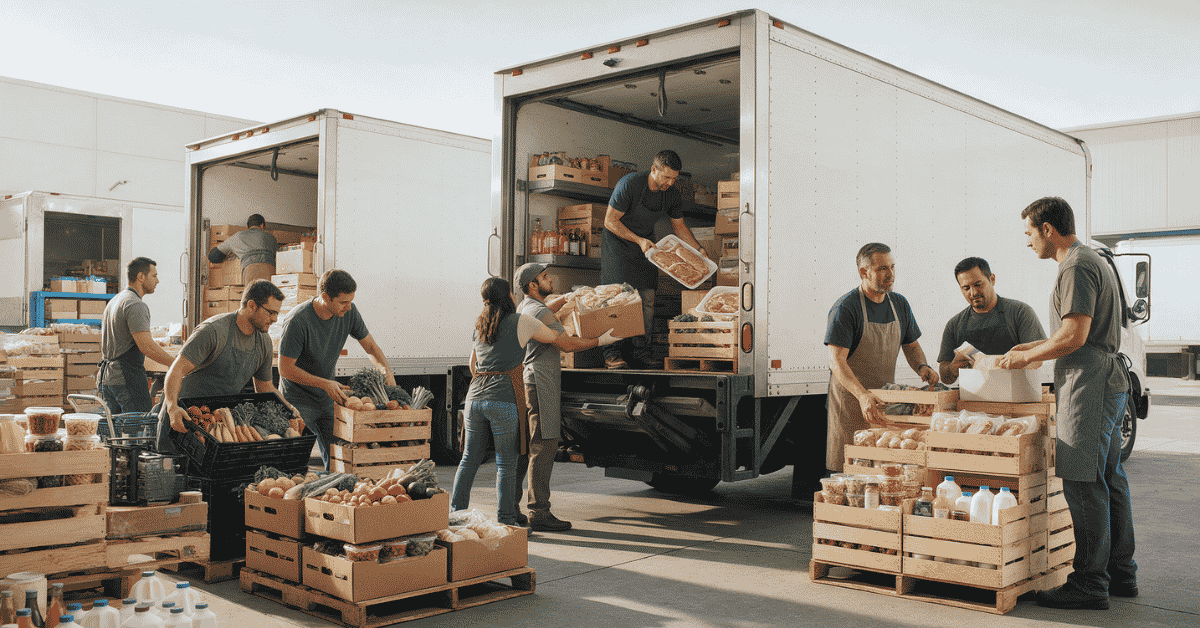
The operational stability of any commercial dining establishment in South Africa depends heavily on supply chain precision. Kitchen operations manage demanding prep schedules, unpredictable patron surges, and tight operating margins. Selecting the right restaurant food distributors is a critical commercial choice that directly determines kitchen productivity, dish consistency, and bottom line performance. In competitive regional dining hubs like the Western Cape, a dependable distribution partner like Foodgistics provides the essential logistical foundation required to sustain culinary excellence.
Guaranteeing Food Safety Through Cold Chain Integrity
A foundational assertion for any food service operator is that ingredient quality depends entirely on an unbroken thermal environment during transport. High-value perishable inventory, including cultured dairy, specialty cheeses, and fresh proteins, requires strict temperature regulation from central warehouse facilities directly to the kitchen receiving bay. Professional distributors invest in modern multi-temperature fleets, allowing chilled lines like Mooivallei dairy to travel alongside deep-frozen proteins without compromising the individual thermal parameters of either category.
The evidence supporting this operational requirement is clearly outlined in South African health and hygiene regulations alongside the environmental demands of regional delivery routes. When a distributor maintains meticulous cold chain protocols, the justification is demonstrated through extended shelf life and significantly reduced spoilage for the kitchen. For a busy restaurant preparing for high-volume service, receiving stock that has suffered even minor thermal deviations creates immediate health compliance risks and severe financial loss. Dedicated cold chain transport protects raw materials throughout transit, ensuring that inventory arrives fully compliant and ready for service.
The Administrative Value of Consolidated Procurement
Streamlining procurement channels is one of the most effective methods for protecting operational margins in the dining sector. The assertion here is that consolidating orders through a primary wholesale distributor generates substantial cost savings compared to managing direct accounts with multiple independent producers. Handling dozens of separate vendor invoices introduces significant administrative friction, increases banking charges, and creates chaotic delivery schedules at the back door.
A dedicated distributor acts as a centralised supply hub, offering a broad portfolio that combines local essentials with specialty imported lines. Restaurants gain direct access to trusted local producers like Lynca Meats alongside international culinary benchmarks such as Divella pasta, Mutti tomatoes, or Bandini cheeses through established partners like Foodgistics. The justification for a consolidated sourcing model lies in the drastic reduction of administrative and physical friction. Instead of coordinating multiple delivery windows throughout the morning, kitchen management works with a single, predictable intake schedule. In dense urban areas across Cape Town, where loading zones are strictly constrained, consolidated deliveries save critical labor hours and simplify receiving operations.
Mitigating Risk Against Local Supply Disruptions
The South African food supply chain frequently experiences external pressures, including transport bottlenecks, currency shifts, and seasonal agricultural shortages. The assertion is that an established distributor provides a crucial buffer against these unpredictable market movements. Independent restaurants operating without strong wholesale backing rarely possess the purchasing leverage required to absorb sudden price surges or secure priority stock during local shortages.
Evidence of a distributor’s strategic value is demonstrated through bulk purchasing power and established relationships with primary agricultural producers. When broader supply lines tighten, established wholesale distributors receive preferred stock allocations, keeping inventory moving predictably to client kitchens. The justification for relying on an established partner is long-term risk mitigation. The distributor manages warehousing buffers and stock forecasting, shielding restaurant managers from sudden price spikes and stockouts. This operational stability enables culinary teams to maintain stable menu pricing and keep signature dishes available regardless of external market volatility.
Driving Culinary Consistency and Patron Retention
Delivering a memorable dining experience requires constant access to high-specification ingredients. The assertion is that uniform ingredient quality directly influences dish execution, guest satisfaction, and repeat business. By partnering with food distributors who hold distribution rights for benchmark culinary brands, kitchen teams can ensure that every plate meets exact taste and texture standards.
The justification for prioritizing high-grade product sourcing rests on changing consumer expectations across South Africa. Modern diners expect authentic flavors, high presentation standards, and ingredient transparency. Sourcing genuine imported durum wheat pasta or quality local cheddar ensures that texture and flavor remain identical across every service run. A distributor that reliably delivers exact product specifications empowers chefs to minimize yield variation, reduce kitchen waste, and build a strong market reputation.
In summary, choosing dedicated restaurant food distributors is a vital step toward commercial resilience. It provides the technical infrastructure required for thermal compliance, the purchasing scale needed for margin protection, and the product breadth required for menu consistency. For any dining establishment seeking to scale efficiently in the South African market, aligning with a reliable partner like Foodgistics provides the structural foundation for sustainable commercial growth.